.svg)
.png)
CIMC Pteris: AI-Powered Airport Logistics Tender Review
How CIMC Pteris Global eliminated missed requirements and last-minute surprises in airport logistics tenders using Booma AI's requirements management platform.
template matric
template matric
template matric
< 1 Hour
Requirement Review Time
7+
Standards Checked
100%
Requirement Visibility
End-to-End
Traceability
At a glance
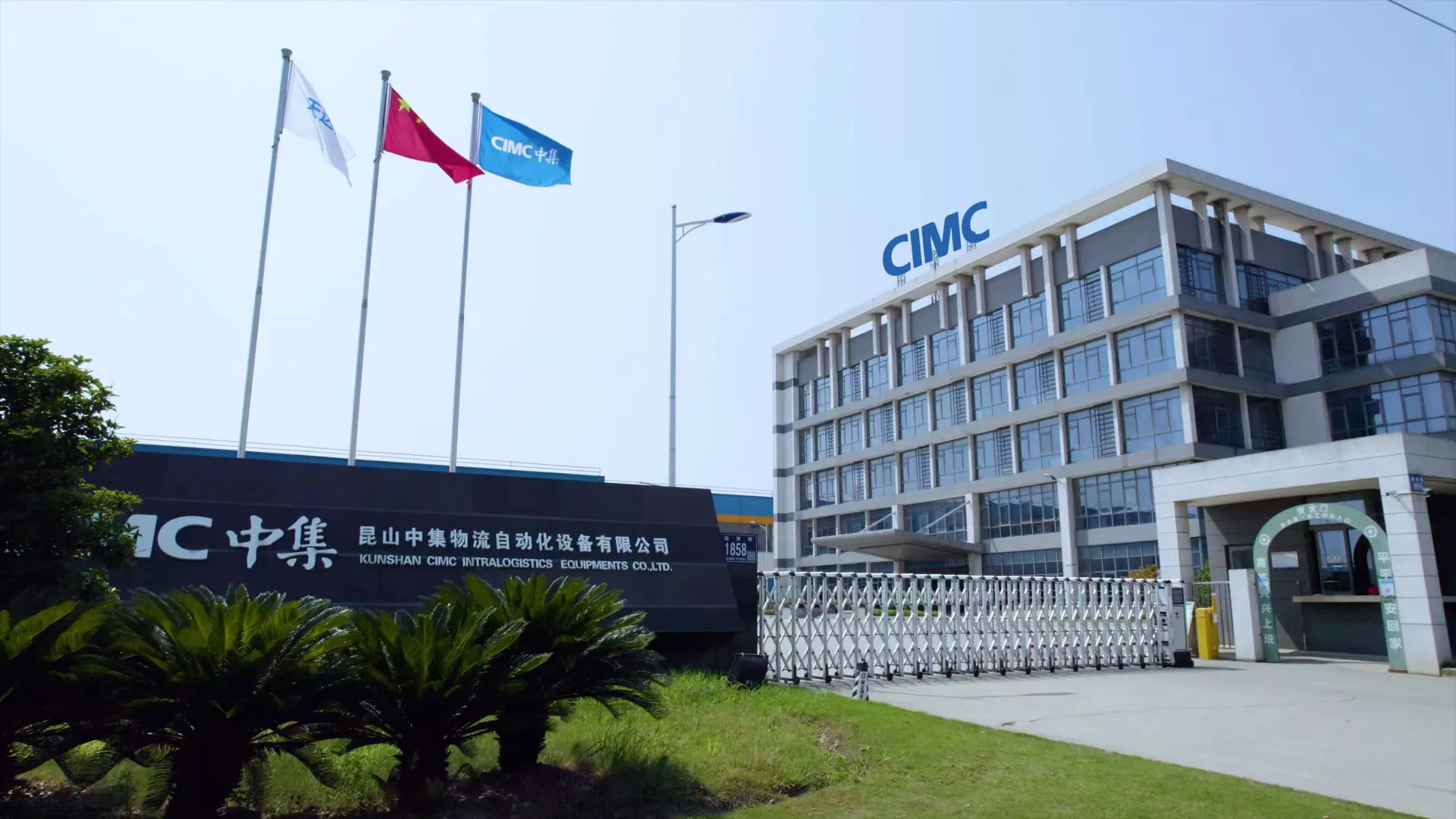
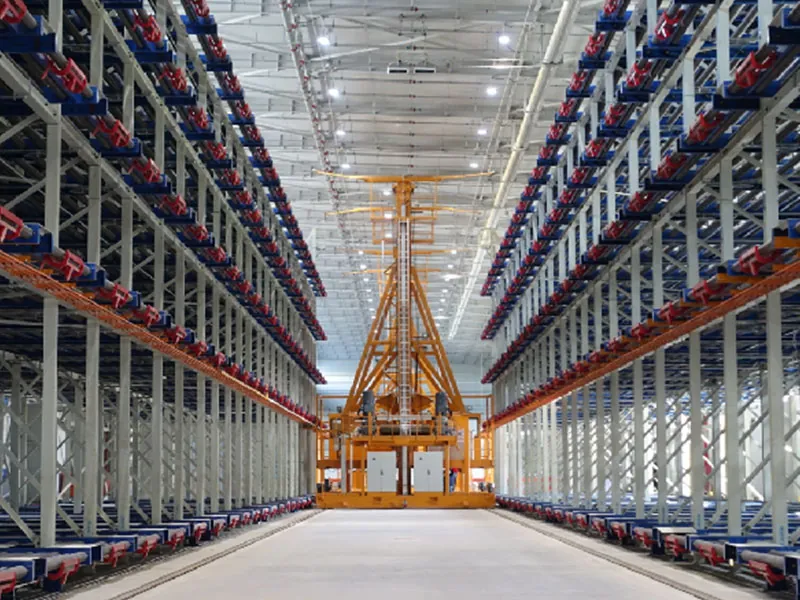
CIMC Pteris Global is Asia's largest airport logistics systems integrator and one of the world's leading providers of material handling system, air cargo, and express parcelsorting systems. As part of the CIMC Tianda group, the company brings 40+ yearsof experience and over 150 airport logistics systems delivered globally. Its project portfolio includes Beijing Daxing International Airport, JD Kunshan,FedEx Philippines, TW Solar, HKIA, SF Express, and YUNDA.
Industry
- Airport logistics, air cargo, warehouse intra-logisitics,
- e-commerce, production automation, postaland parcel sorting
Headquartered
Shenzhen, part of CIMC Tianda group
Scale
40+years experience, 150+ airport systems delivered worldwide
Customers served
Beijing Daxing, FedEx Philippines, HKIA Hub, JD, SF Express, YUNDA
Project profile
Multi-disciplinary turnkey integration, 500 to 1,000+ page FDS packages
Key Booma features
Auto extraction, deviation flagging, teams, cost and time per requirement, native-language translation, knowledge base linking
The Challenge
A single RFP package for an airport logistics handling system can run 500 to 1,000+ pages. It spans general, mechanical, electrical, low level control, high level control, simulation, emulation, and ERP interface specifications. Layered on top sits a dense web of compliance: employer requirements, international standard compliance; EN DIN, EN ISO, EN 528, system performance and availability requirements.
Before Booma, CIMC Pteris engineers spent days on each tender copying specs into spreadsheets, chasing different disciplines for compliance checks, and reconciling deviations across document versions. Senior engineers were absorbed in admin work that should have been spent on design. Critical requirements occasionally surfaced late in the project, leading to rework, scope discussions with customers, and pressure on margins.
The Solution
How Booma accelerated the requirement review process
- The bid team uploads the full tender package into Booma: general FDS, mechanical specs, electrical drawings, HSE annexes
- Booma reads every document and extracts individual requirements, flagging references to EN/ISO standards (EN DIN, EN ISO, EN 528), employer-specific clauses, and compliance obligations back to the source page
- Requirements are then grouped and assigned to the right team: mechanical, electrical, integration, safety; each with cost and time fields attached.
- Project managers and customers get a single live dashboard showing requirement-level status, coverage gaps, and deviations in real time, from tender response through to commissioning.
The Immediate Impact:
What used to take weeks of manual extraction across spreadsheets and email chains now happens on day one.
Every requirement is traceable, every deviation is visible, and every team works from one source of truth.
Nothing falls through the cracks between tender and delivery.
Standards automatically flagged by Booma: EN ISO 12100, EN ISO 13849-1, EN 619, EN 620, EN 528, EN 60204-1, DGUV regulations.
.png)
Teams, Costs, and Time at the Requirement Level
Engineers are grouped into teams (Mechanical Integration, Electrical Integration, Sales,Project Management), and each requirement is assigned to the right owner inside one single source of truth. Cost and time can be attached at the requirement level, giving project managers a transparent picture of budget and effort that they share with customers throughout the project lifecycle. Every requirement is linked back to CIMC's capabilities and internal knowledge base, so the team knows immediately whether a clause is covered, partially covered, or needs a design response.
.png)
A Real Product Partnership
Booma's product team has worked closely with CIMC throughout the rollout. Several capabilities in the platform today, including the team grouping logic and the configurable cost and time fields, came directly from CIMC feedback during early use and were shipped within weeks.
"With Booma, we get a structured, traceable list of requirements in minutes, mapped to the right team and linked to the relevant standards. We catch deviations early and our senior engineers spend their time on engineering decisions, not paperwork.
When a customer issues a change request mid-project, we used to spend days tracing it across documents. With Booma, every requirement is linked back to its source and to our capabilities, so we can respond with a defensible, audit-ready answer the same day."
Gustav Ryan, Operations Director, CIMC Pteris Global

Why this matters for postal and airport customers
For partners like DHL, FedEx, and major airport operators, the way an integrator handles requirements is the way it handles risk. A missed clause becomes a liquidated damages claim. A late deviation becomes a scope change order. An undocumented compliance gap becomes a delayed go-live. With Booma, CIMC Pteris brings a structured, traceable, audit-ready approach from the first tender page to commissioning.
Want to handle complex tenders with the samespeed and traceability as CIMC Pteris?
Book a 30-minute live demo and see how Booma turns months of manual review into structured, auditable requirements.
See Booma in action
Book a 30-minute personalized demo. Bring your own specification — we’ll show you structured requirements in real time.
• Free onboarding included • German-speaking support